Short Form Audio Trends People Actually Use
A sound has about one second to earn its place in a scroll, a group chat, or a phone ringtone. That is what makes short form audio trends different from regular music trends. People are not looking for a full song experience every time. They want a fast reaction, a recognizable cue, a joke that lands, or a clean sound that makes a short video feel finished.
For everyday users and casual creators, the best audio is usually the easiest audio to understand. A door slam, a record scratch, a laugh track, a spooky sting, a phone alert, or a quick drum loop can say more than a long intro ever could. The sound needs to be easy to preview, easy to download, and simple to use without a lot of editing.
Short Form Audio Trends Are Built for Fast Recognition
The biggest trend is not one specific sound. It is instant recognition. Short clips work when people know what they mean right away, even if they have never heard that exact file before.
A cartoon boing suggests a mistake. A crowd cheer gives a small win more energy. Thunder changes a normal clip into something tense. A notification chime can set up a joke before anyone says a word. These sounds work because they carry familiar meaning. They do not need a long explanation.
That is also why short audio often performs better when it has a clear beginning. A clip that starts quietly and takes five seconds to build may be useful for a longer edit, but it is less practical for a meme, ringtone, reaction video, or quick social post. Users want to press play and immediately hear the point.
This does not mean every sound has to be loud. Soft rain, room tone, ocean waves, and city ambience are still popular because they create a feeling fast. The difference is that ambient clips need a clear use case. They are often chosen for sleep sounds, background audio, study videos, or a calmer phone alert rather than a punchline.
Funny Sounds Stay Popular Because They Are Reusable
Funny audio does not have to be brand new to feel current. Classic sound effects keep coming back because they are flexible. A rimshot, sad trombone, exaggerated gasp, air horn, wrong-answer buzzer, or comedic fall can fit thousands of different moments.
The strongest funny sounds leave room for the user to add their own context. That is why short reaction clips are more useful than audio that depends on one very specific joke. A creator can use a dramatic sting after a bad cooking attempt, a missed shot, a surprising text, or an awkward family moment. One sound, many situations.
For personal use, novelty ringtones and message tones follow the same pattern. A funny alert can make routine phone notifications less boring, but it should still be short enough that it does not become annoying after the tenth message. A quick punchy sound usually beats a 20-second clip for daily use.
There is a trade-off here. Extremely viral sounds can make an edit feel dated quickly. If the goal is to make a joke for friends today, that may not matter. If the goal is a video that should still feel usable next month, choose a sound effect with a familiar emotion instead of a trend that depends on a single moment online.
The Best Meme Audio Has a Clear Job
Before downloading a sound, it helps to ask one simple question: what is this clip supposed to do? It might signal failure, build suspense, celebrate a win, create a jump scare, or fill an awkward pause.
When the job is clear, picking audio becomes much faster. A short scream can work for surprise. A cash register sound can highlight a sale or a lucky find. A vinyl scratch can interrupt a sentence for comedic effect. The audio does not need to carry the whole post. It just needs to make the moment easier to understand.
Everyday Sounds Feel More Real Than Polished Clips
Another major shift is the popularity of sounds that feel casual, physical, and familiar. Keyboard taps, footsteps, camera clicks, pouring water, traffic, doors, street noise, and kitchen sounds all add texture without making a video feel overproduced.
This is especially useful for short clips where there is no time to explain the setting. A coffee shop background instantly suggests a morning routine. A basketball bounce gives a sports clip movement. A zipper, bag rustle, or car door shut can make a simple product or outfit video feel more natural.
These sounds are also useful outside social posts. Everyday audio can make a presentation, school project, slideshow, podcast intro, or casual edit feel less empty. The key is restraint. One well-placed sound effect usually works better than stacking several noises on top of each other.
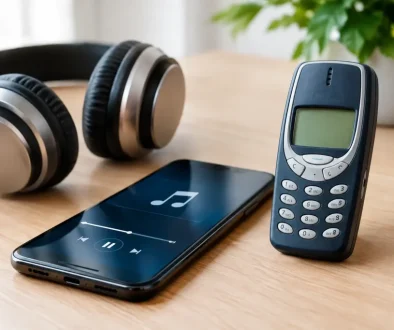
Phone customization has its own version of this trend. Some people want a loud, funny ringtone. Others prefer a clean click, soft bell, game-style effect, or a short piece of ambience that is easy to identify without startling everyone nearby. The right ringtone depends on where the phone is used. A sound that is great for a weekend can be a bad choice for class, work, or public transit.
Short Loops and Beats Make Simple Edits Better
Not every short form audio trend is a sound effect. Simple drum loops, bass patterns, and light beats remain useful because they give a clip rhythm without taking over the video.
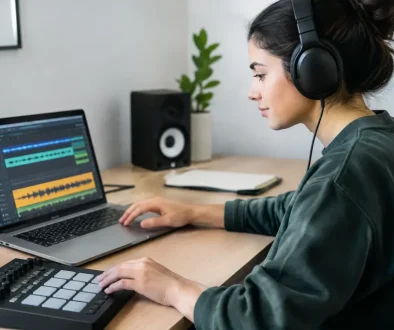
For casual creators, a short loop can solve a common problem: silent footage that feels flat. A steady beat can support a workout clip, gaming moment, craft video, travel post, or photo slideshow. The best choice is often something simple enough to sit in the background while the visual stays in control.
Short loops are more practical when they can repeat cleanly. If there is a noticeable pop, sudden ending, or awkward change after a few seconds, the audio becomes harder to reuse. A loop does not need to be complicated. It needs to be steady, clear, and easy to trim.
There is also a place for genre-specific sounds, including retro game effects, spooky music stings, street ambience, and electronic drum patterns. These can help set a mood quickly. Just make sure the sound matches the visual. A scary sting on a harmless pet video can be funny. The same sting on a serious announcement can feel confusing or distracting.
What to Look for Before You Download
The most useful audio files are not always the most dramatic ones. A good short clip should be easy to hear on a phone speaker, short enough to edit, and clear enough that people understand it at low volume.
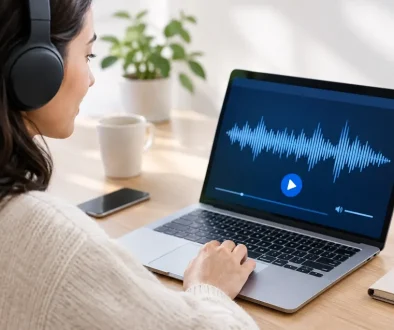
Preview the whole file before saving it. Listen for sudden silence at the start, background noise you do not want, or an ending that cuts off too sharply. If you are using it as a ringtone or alert, check whether the main sound happens immediately. If you are adding it to a video, think about whether it will compete with speech.
File length matters too. For a reaction effect, one to three seconds is often enough. For a ringtone, a few seconds with a repeatable section is more practical. For ambient background audio, a longer clip may be useful, but it should still be easy to loop or fade out.
It is also smart to choose audio based on use, not just popularity. A sound with thousands of uses may not fit your clip. A simple dog bark, crowd laugh, creepy whisper, notification tone, or drum loop can be more effective when it matches the moment. MingoSounds makes this kind of browsing easier by keeping common sound types in straightforward categories, so you can get to the right kind of clip faster.
Keep It Short, Clear, and Worth Replaying
Short audio is becoming less about finding one perfect viral clip and more about building a personal set of useful sounds. Keep a few funny reactions, clean alerts, background textures, spooky effects, and simple loops ready for when you need them. The sound that gets used most is usually not the flashiest one. It is the one that fits the moment in seconds.
Before you save your next clip, play it once with the screen off. If you can tell exactly what feeling or action it creates right away, it is probably a sound worth keeping.